
Stokkoyart 2027
Participating artists:
Anna-Maria Margarit, Eddie Jack Trigg, Harriet Stephens, Georgia Gendall and Kirsten Bertelsen
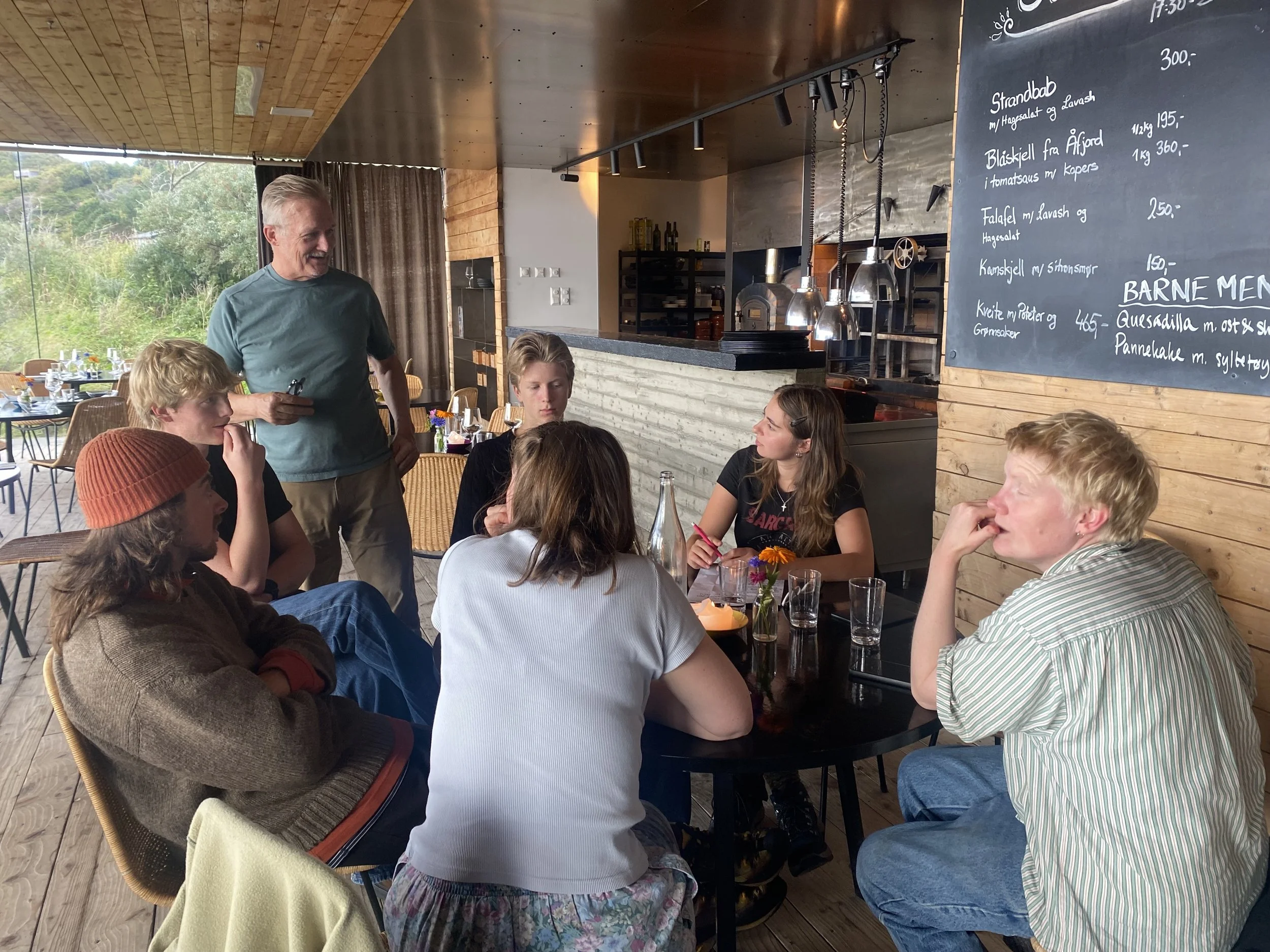
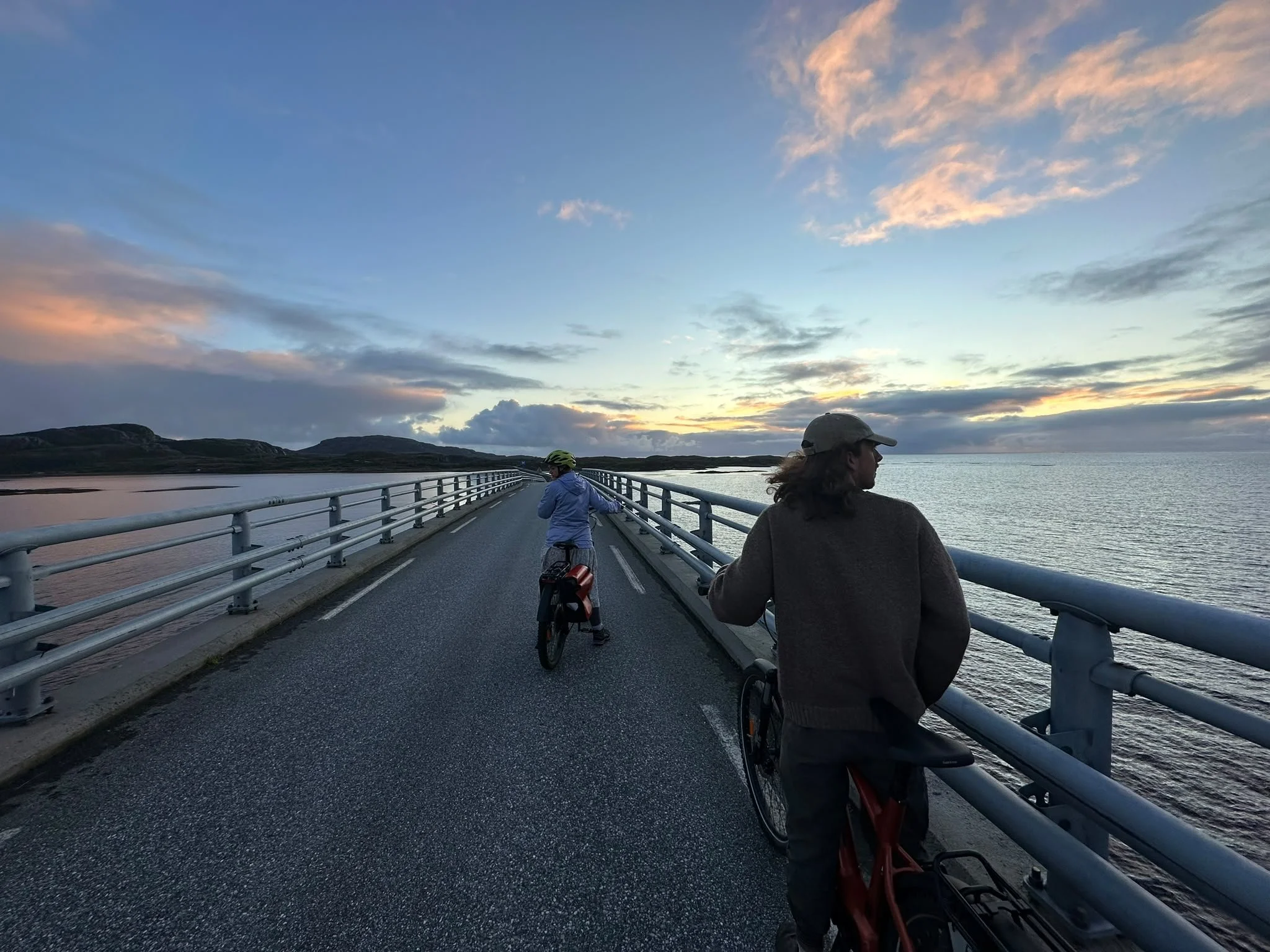
Week one on Stokkøya is about getting to know the place and its people. It has been a week of chasing rivers, lighting fires, talking, collecting mushrooms, saying hello to the gardener, the farmer, the staff at Stokkøya Strandhotel, and all the people we’ve met along the way on our walks and bike rides around the island.
The first stage of the collaboration invites each artist to introduce the others to their artistic practice – not by explaining what they do, but by creating an experience of how they work and think. This might take the form of a walk, a dance, a poem or an experiment. The only restriction is that it cannot take the form of a powerpoint presentation or a conventional talk.
By temporarily stepping into someone else's working methods, each artist gains insight into different ways of approaching materials, ideas and situations. This exchange becomes a starting point for new and shared artistic explorations.
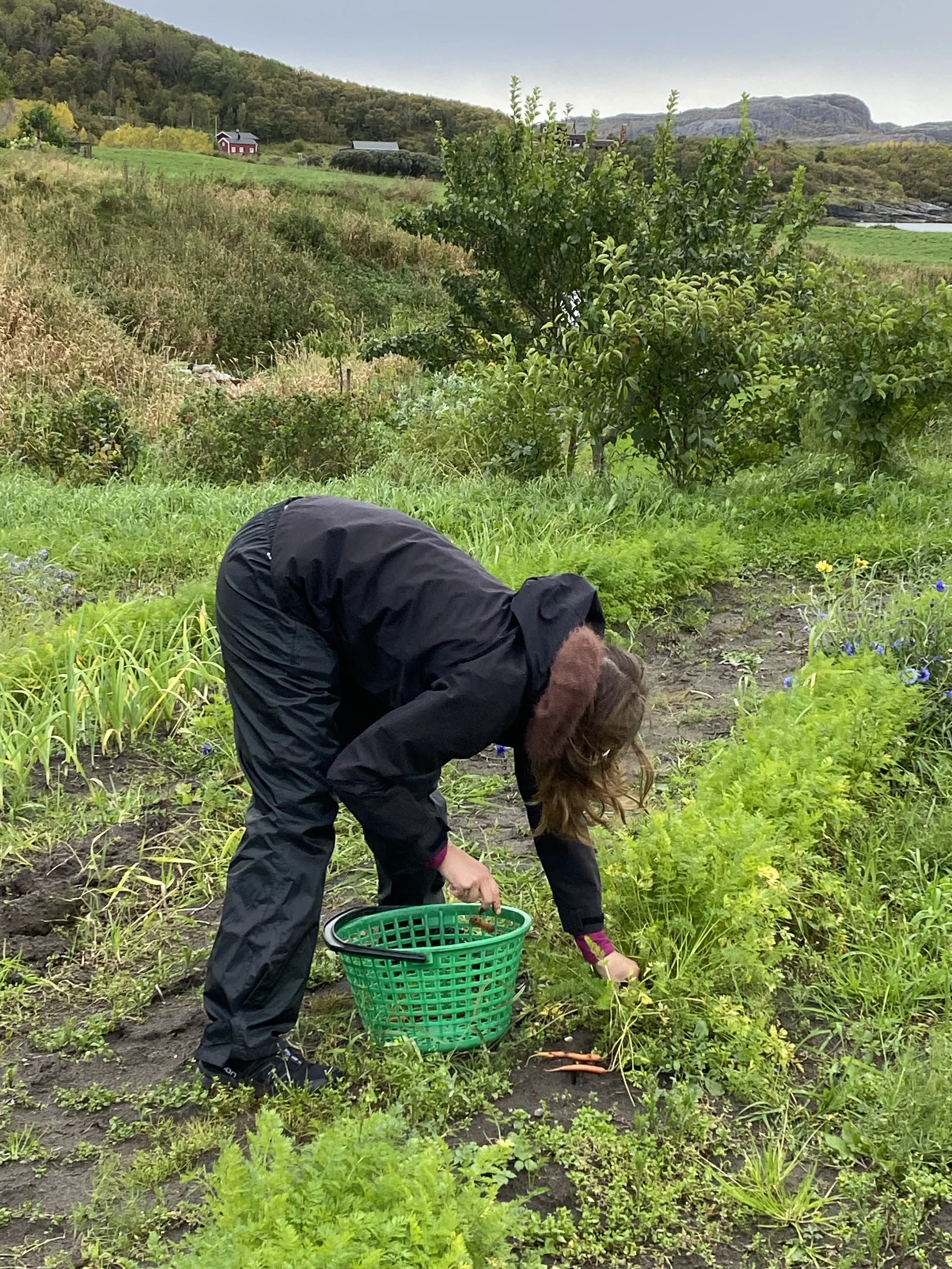
Part of Everyday Life
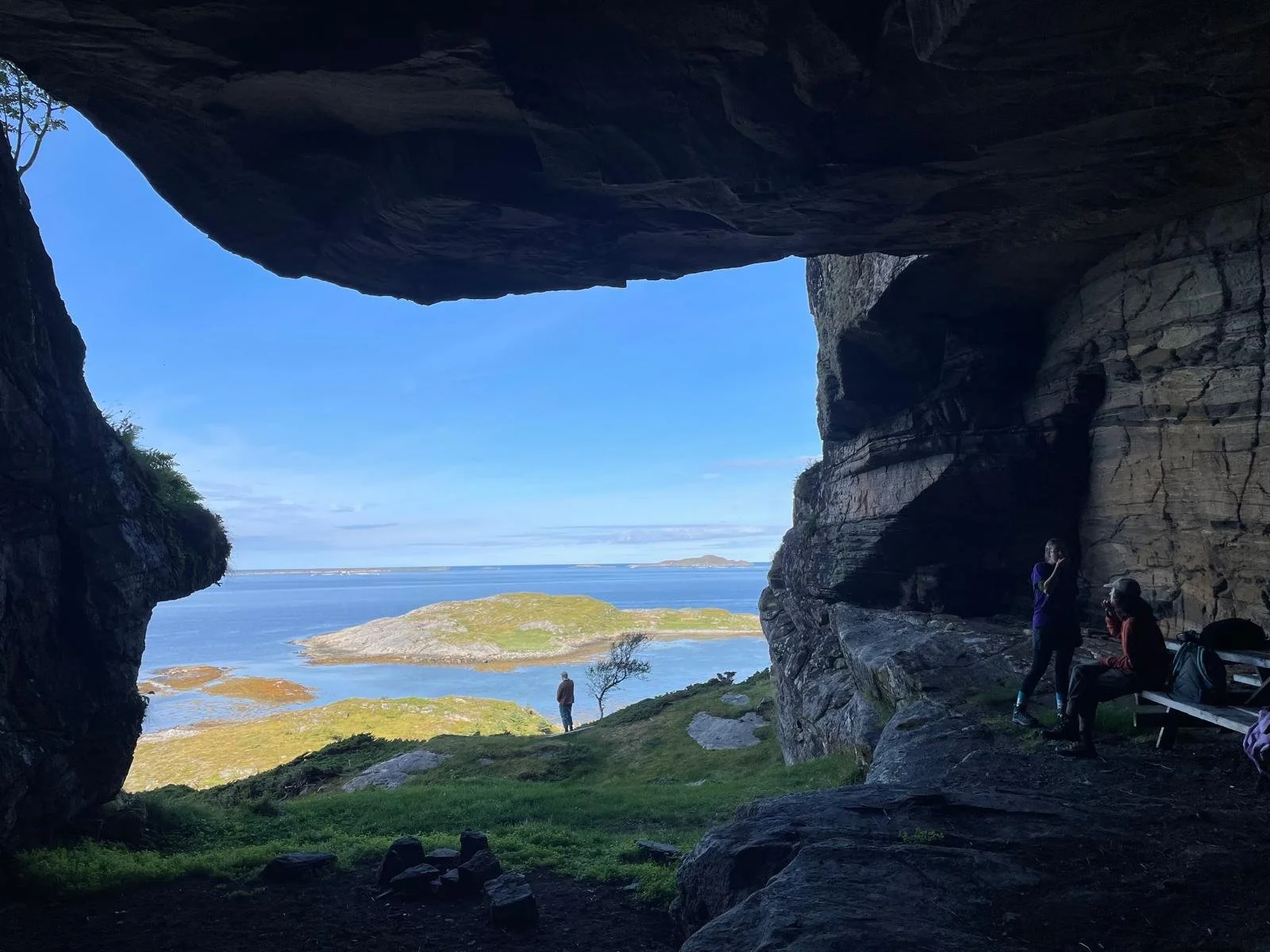
The artists move to the island of Stokkoya for a month and become part of the everyday life they are working within. Digging up potatoes, harvesting vegetables from the local grower, shopping at the local grocery store and meeting the people who keep the community going. These everyday encounters and activities become part of their artistic method – a way of getting to know the place from within and allowing it to inform their work.
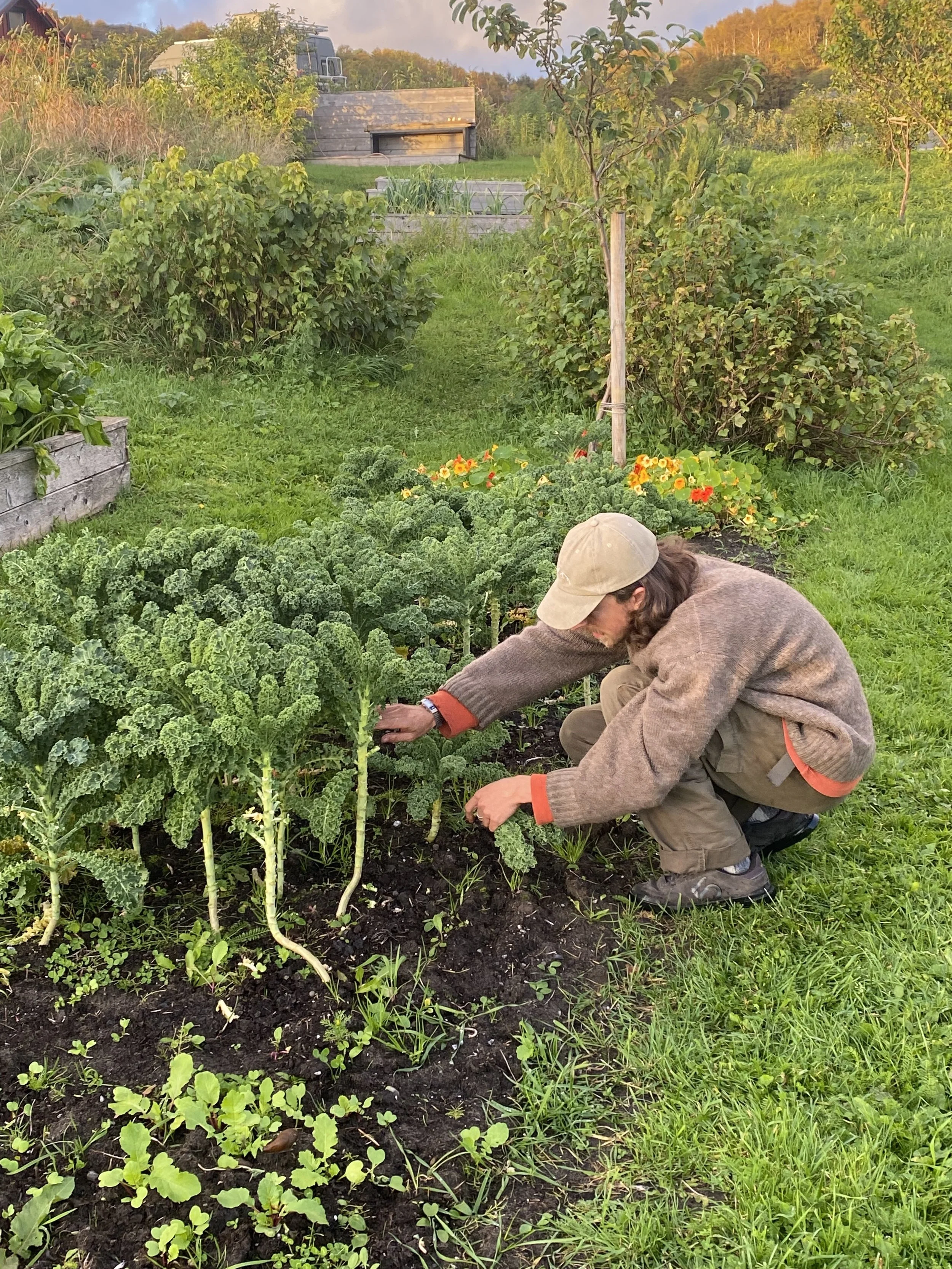
The residency is understood as an encounter with a place rather than simply a space to work. The artists' presence, the relationships they develop and their participation in everyday life become part of the artistic process itself. Their work emerges through an ongoing exchange with the people, the landscape and the shifting conditions of life on the island – including the ever-changing Norwegian weather.
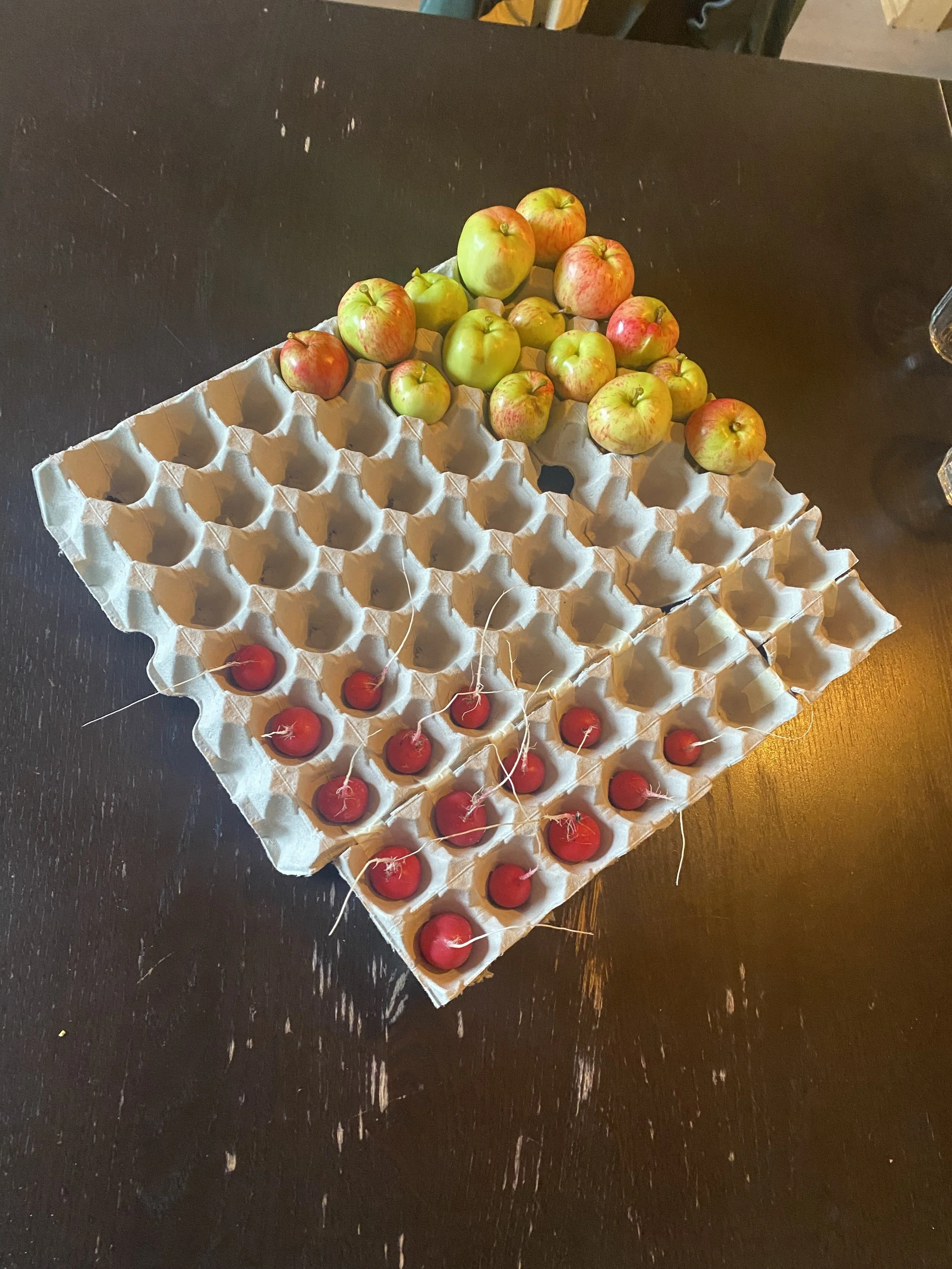
The first two weeks unfold as a period of playful exploration and discovery, with the four-week timeframe providing a gentle but persistent reminder that these investigations will eventually need to take the form of a finished work.
The last part of the second week is a time of gathering, processing and developing the ideas. Stories had begun to emerge. The landscape itself was a recurring subject in our conversations. The lush greenery and abundance of vegetation stood out in contrast to the dry British landscape we came from. This year western and northern Norway suffered the wettest summer in a decade while the rest of Europe suffered the hottest summer on record.
When we asked local people what they valued most about living on Stokkøya, the answer was often the nature. When we asked what they liked least, the answer was almost invariably: The weather!
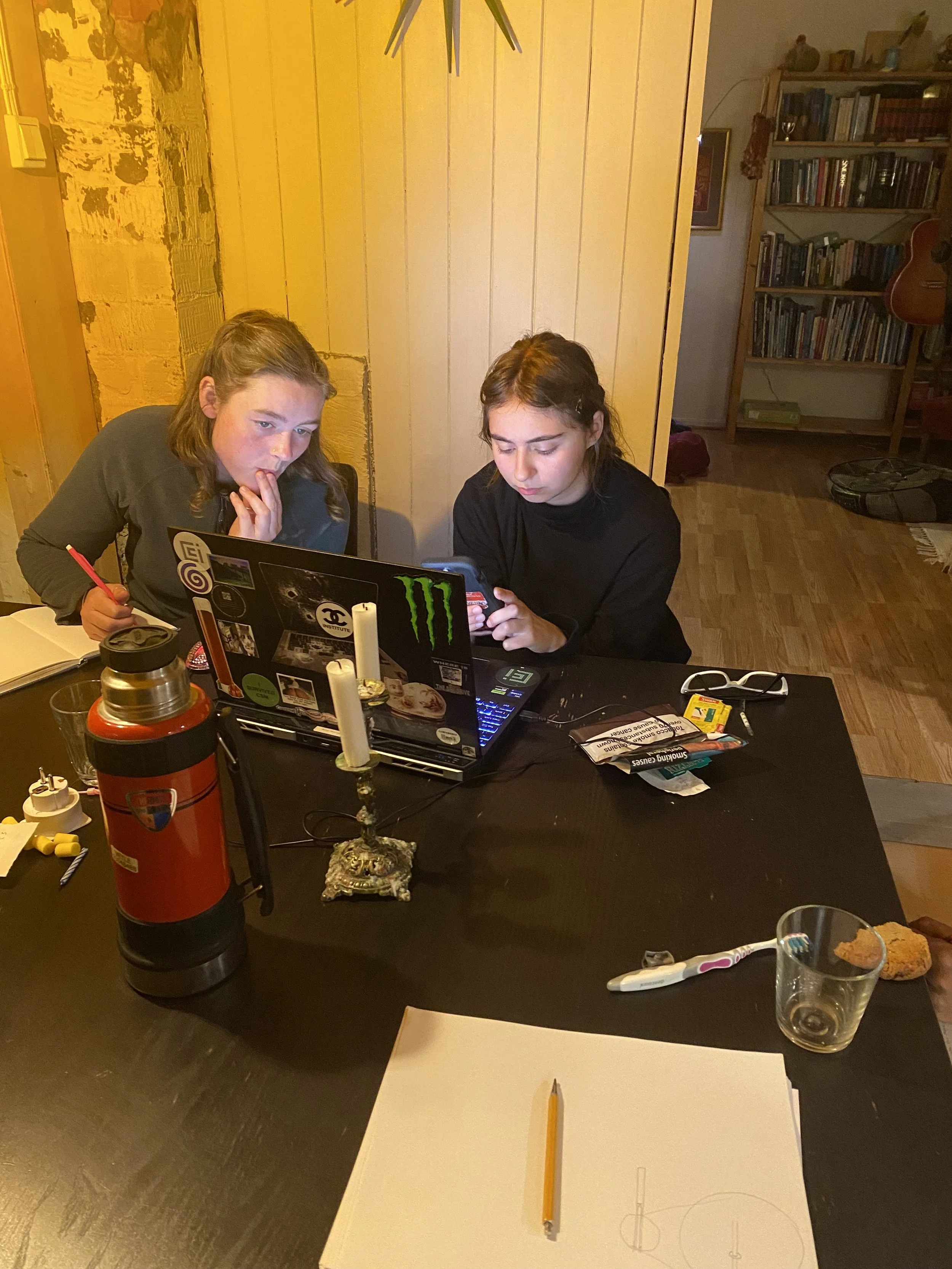
By the end of the second week, we knew we needed to bring our explorations into focus and settle on a shared direction that would allow us to begin thinking about how to realise the work.
After much roaming, a growing awareness of the ticking clock, and a series of animated discussions, we found our way to The Weather as an overarching theme.
Ideas began to gather around it: unpredictability, the unreliable weather app, the different ways of reading the weather, its historical significance for human survival here, and the many ways in which it shapes our relationship with the world around us. The subject seemed to open up rather than narrow down, offering a shared point of departure for a multitude of possible investigations.
Data, Predictability, Control
How can we know for certain what the weather is? Our longing for certainty, and our desire to make sense of what is beyond our control, led us to explore the notion of reliability.
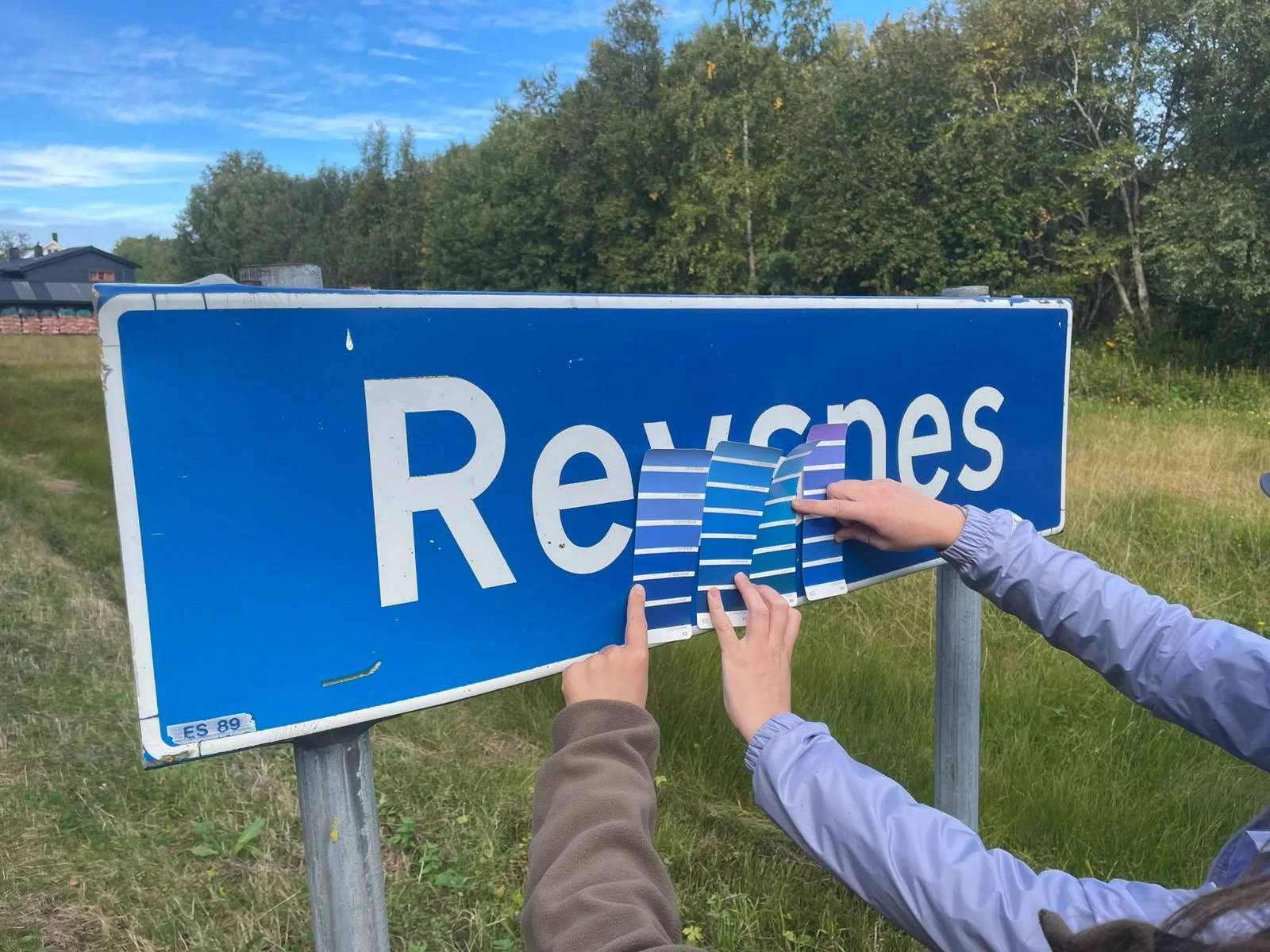
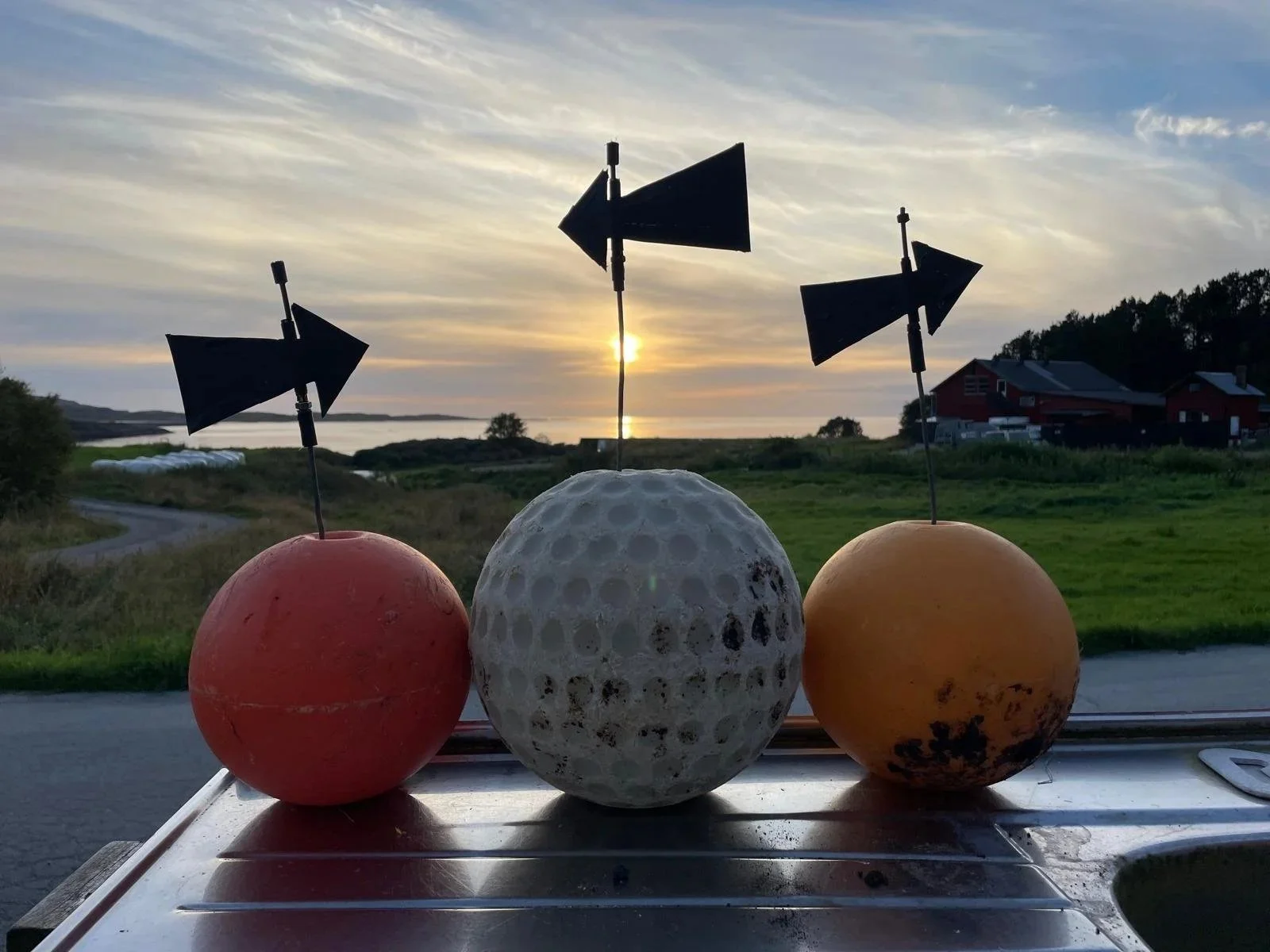
As a counterpoint to the weather app that repeatedly deceived us, we set out to create something we could place our trust in. Road signs offered an interesting starting point: a visual language built on the promise of certainty, a familiar system of symbols we have learned to recognise and trust.
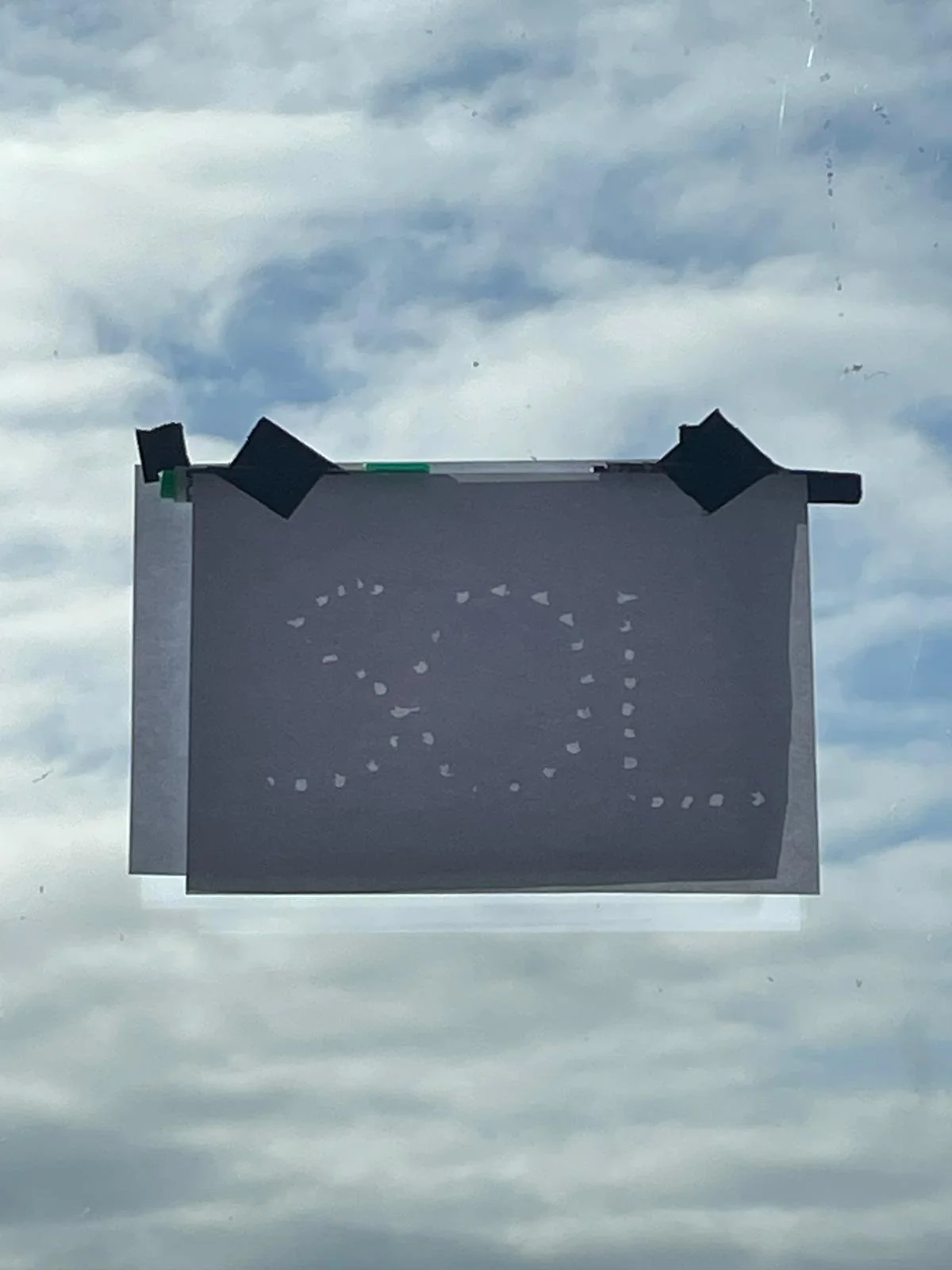
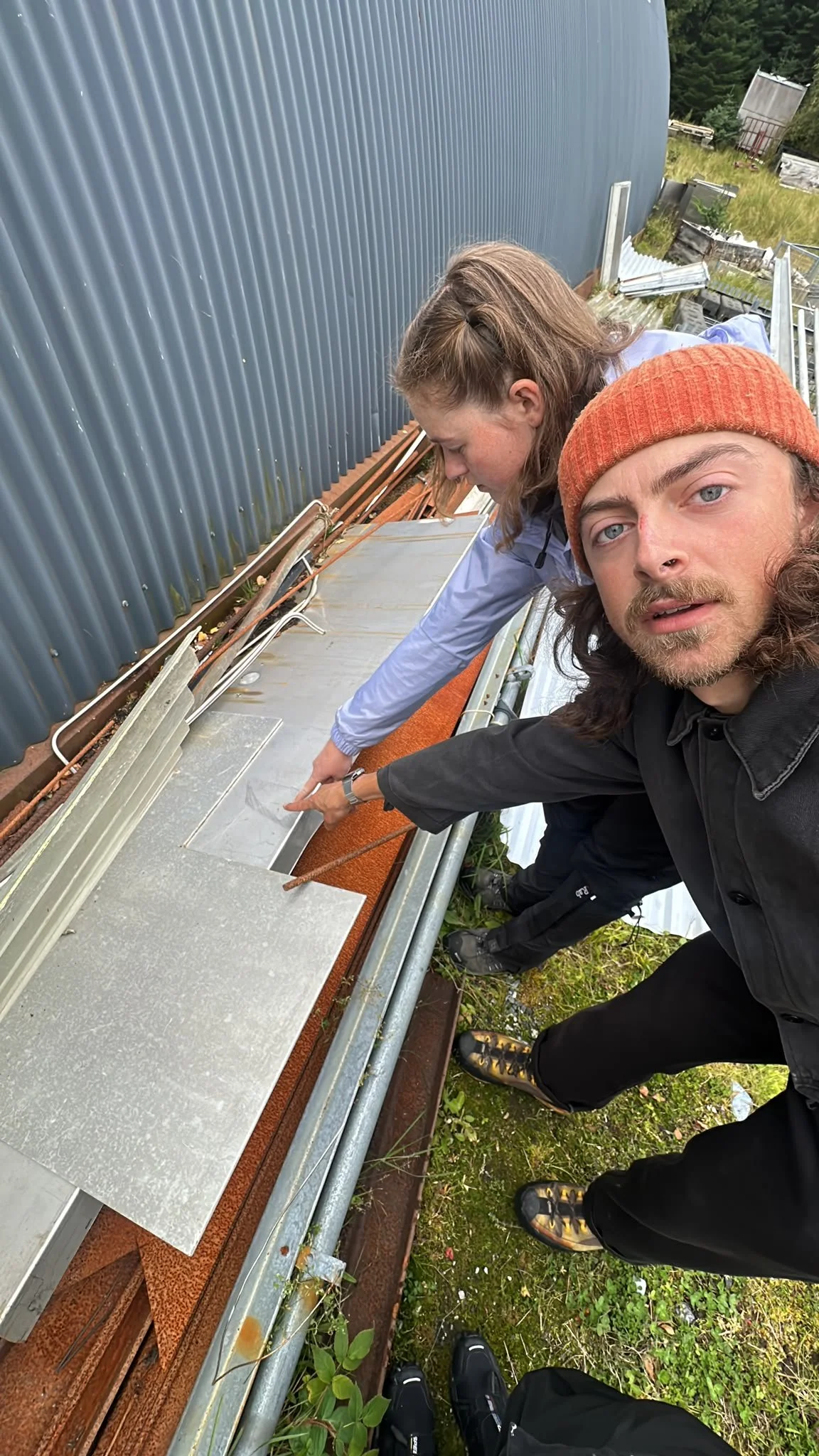
Can we use this?
We were fortunate to find materials not only in the landscape but also through the generosity of local people. Roar Svenning, owner of Stokkøya Strandhotel, generously offered us a collection of materials, many of which found their way into the work. In fact, a substantial part of the piece is made from things we found or were given along the way. In this sense, the work carries traces of the place and the people who inhabit it.
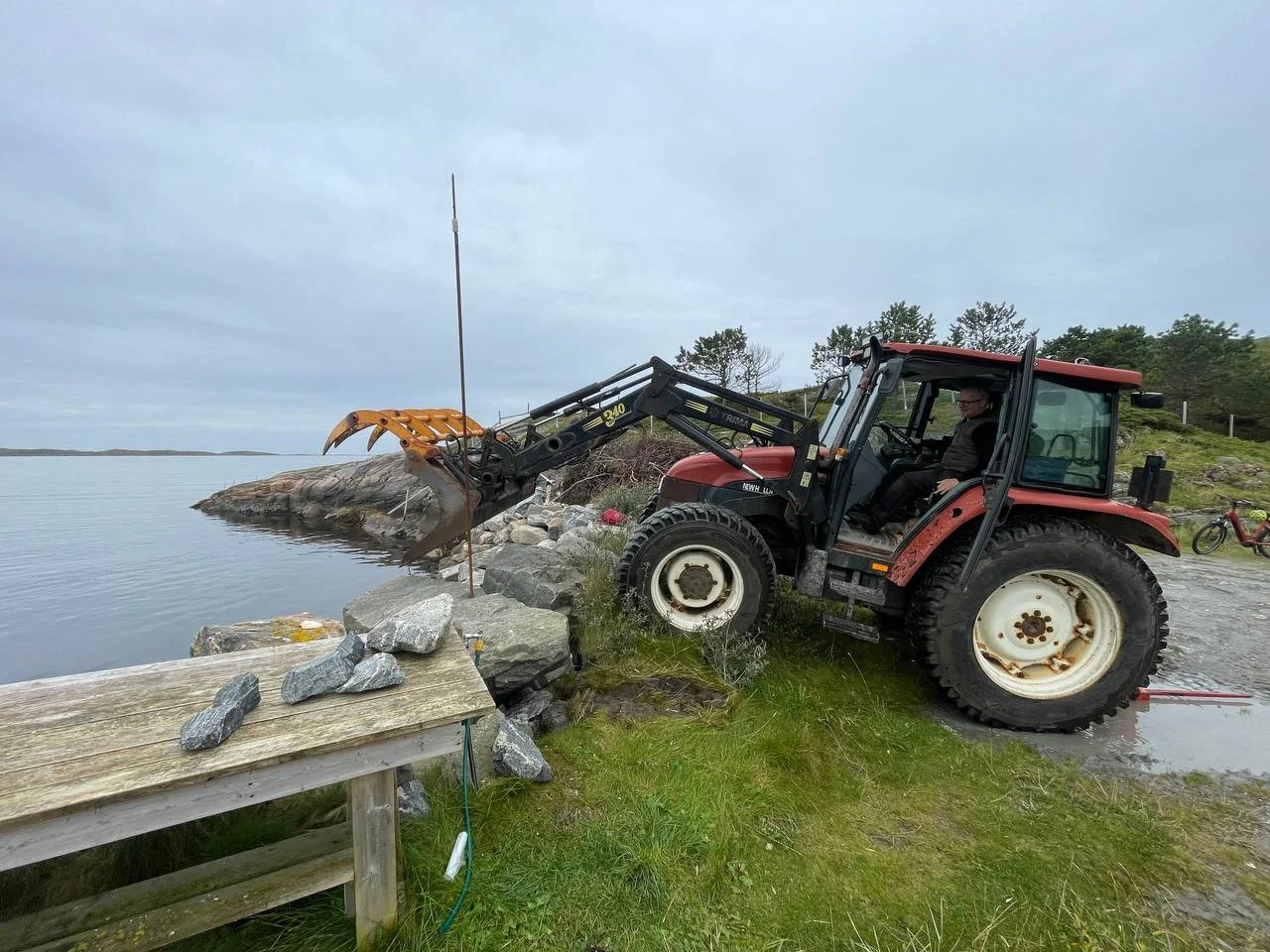
A heartfelt thank you to Roar and everyone who contributed.
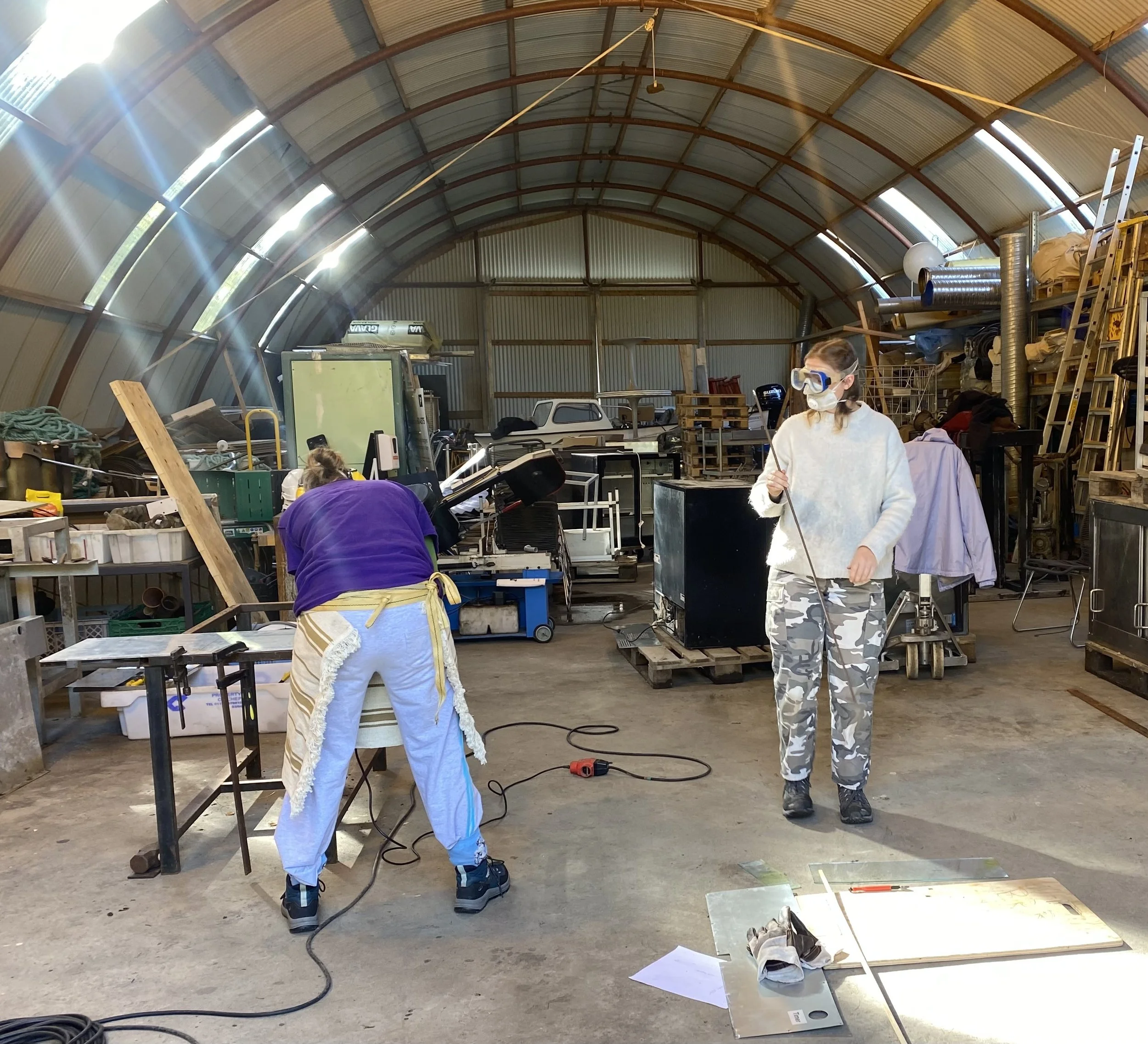
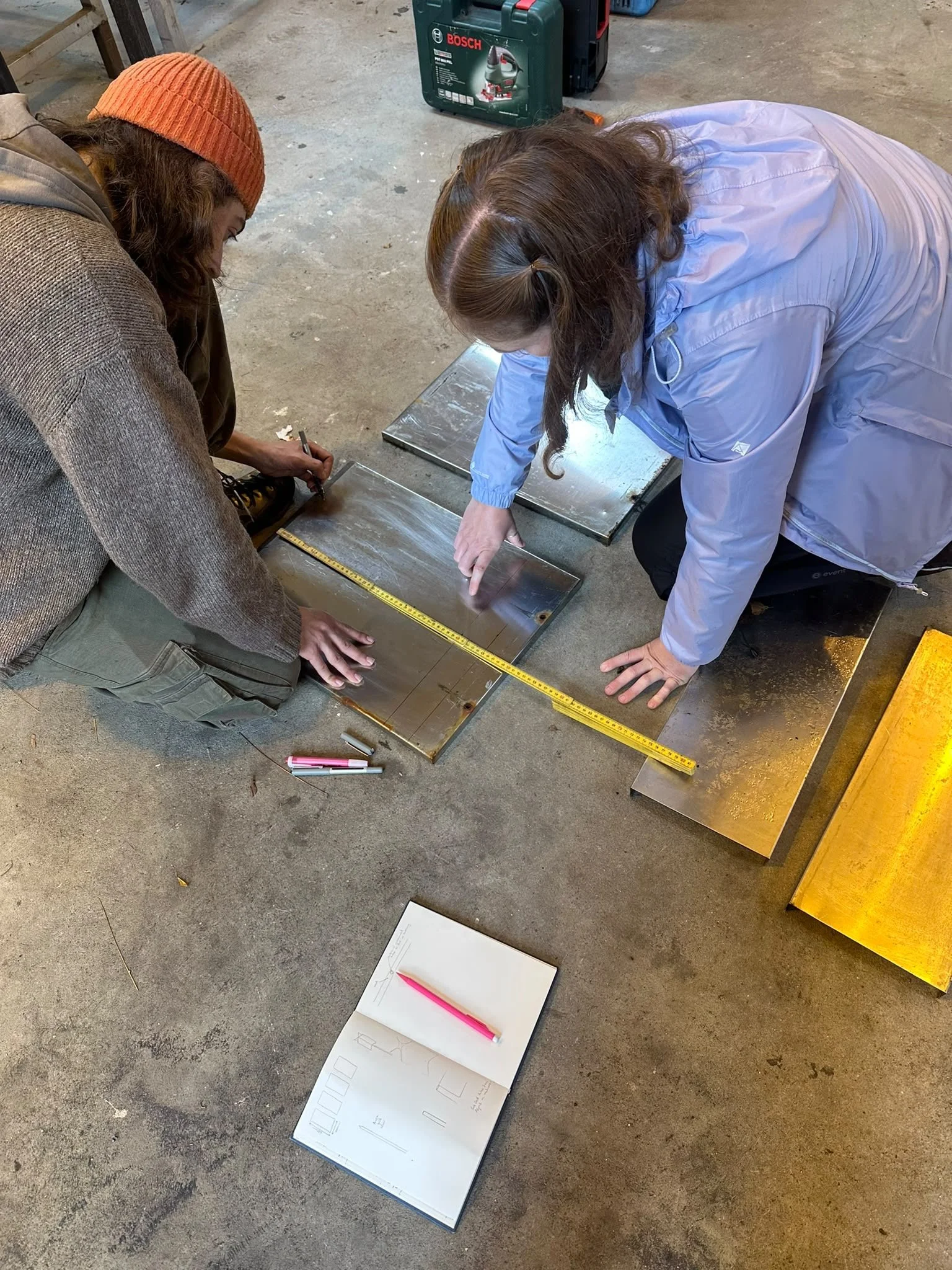
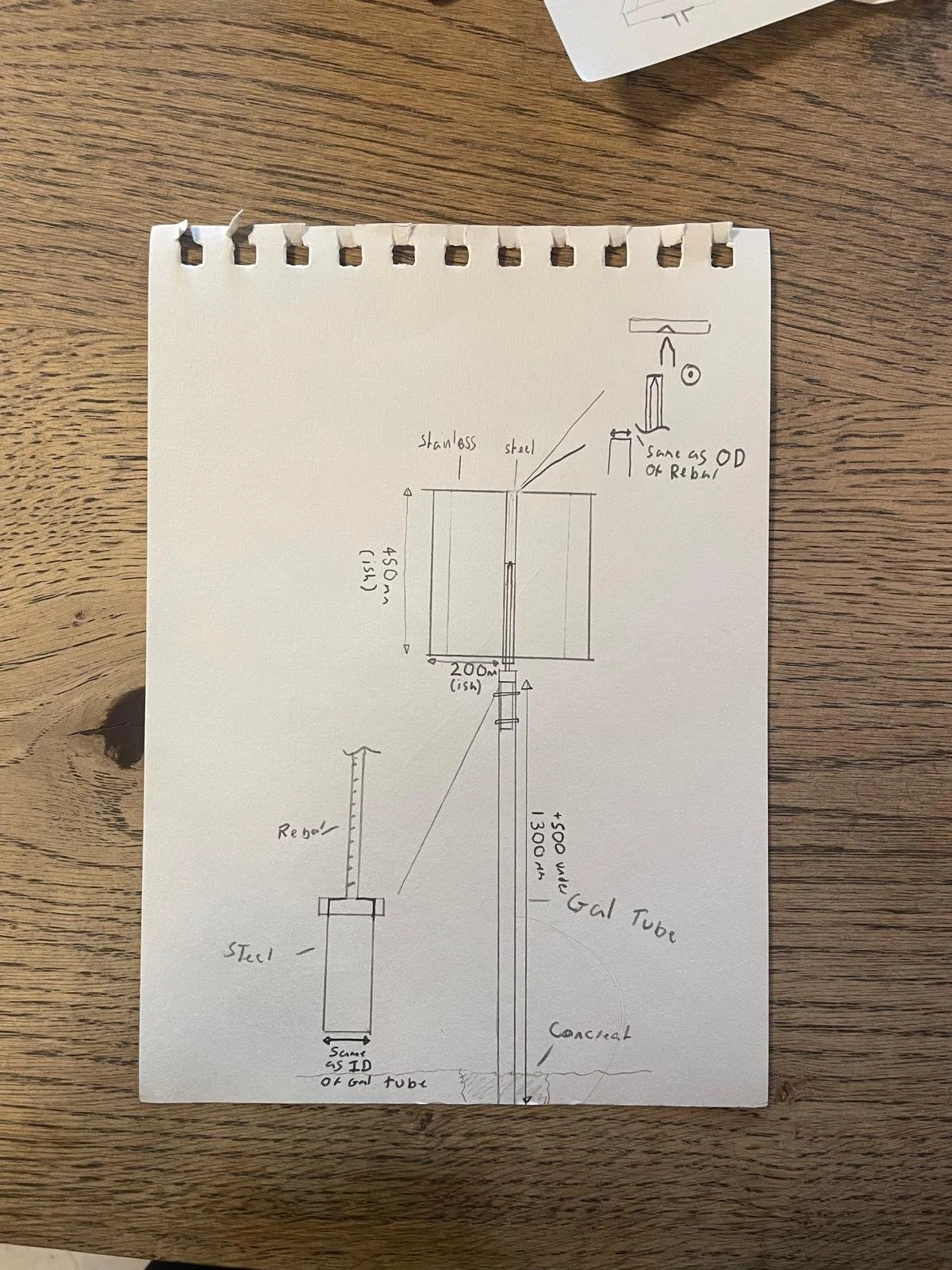
Our ambitions may have been a little on the grand side: We decided to create four sculptures that could interact with the weather, translating its shifting conditions into physical and visual expressions. But once the ideas had taken shape on paper, there was no going back. We had talked ourselves into it – now we had to work. Work work work…
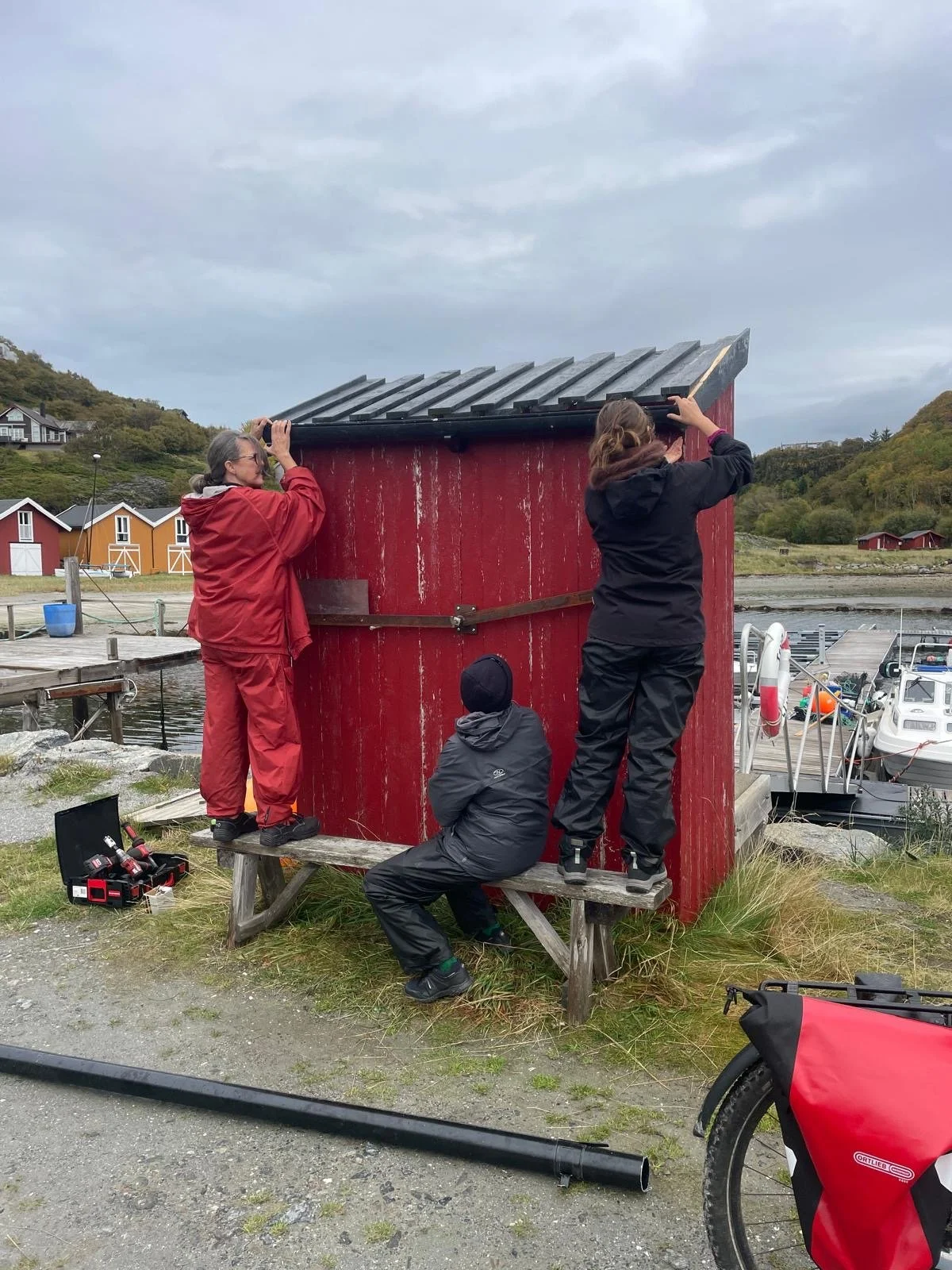
What followed was a series of experiments in negotiating with the forces of nature: finding points of balance, testing gravity and centrifugal force, anticipating the effects of wear and tear, and figuring out what might survive frost, wind and storms. Materials became a chapter of their own. Our choices were shaped not only by the artistic possibilities, but by what we could get our hands on – and what we could afford.
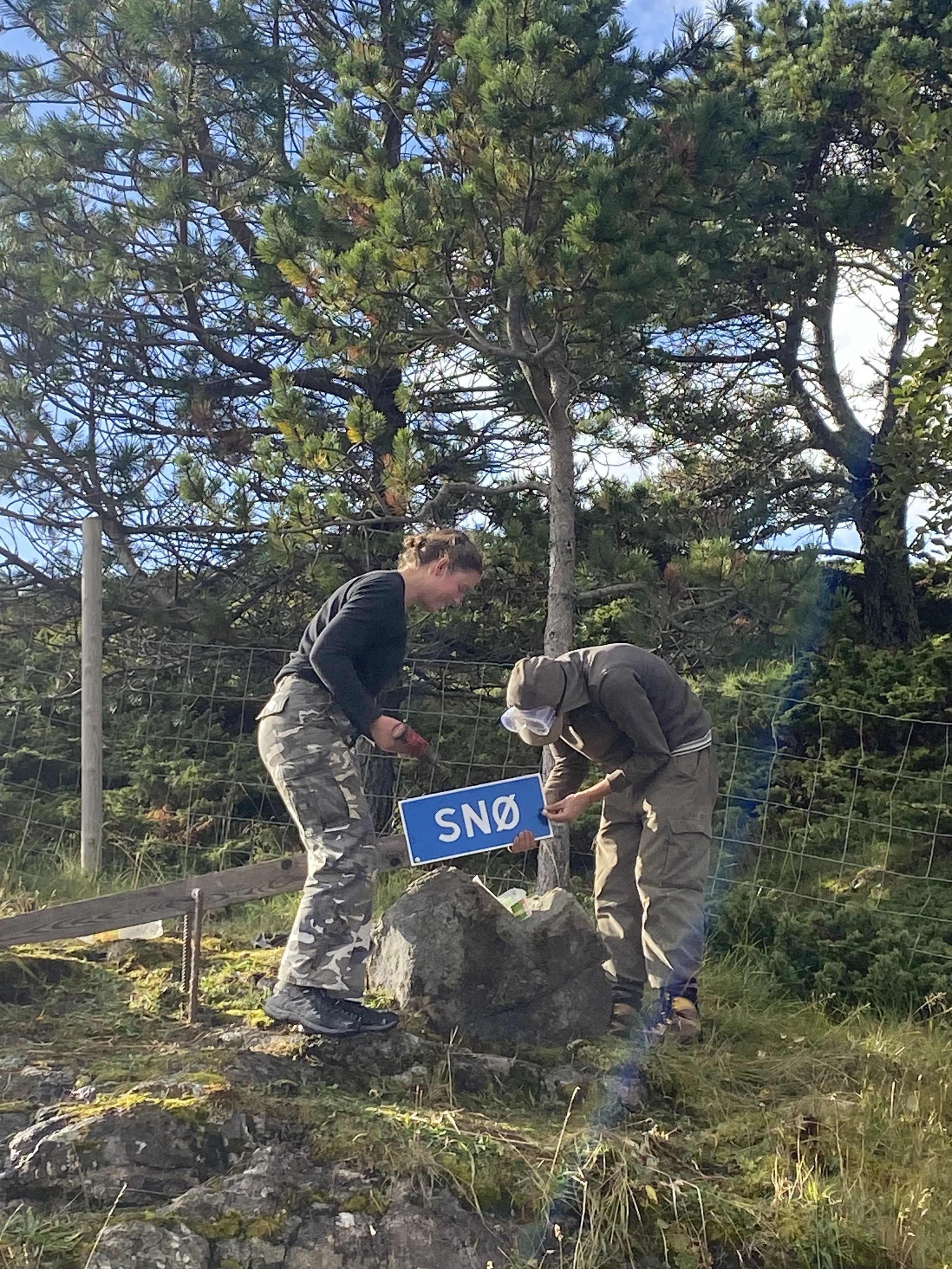
As the project gathered momentum, keeping the bigger picture in view was not always easy. Strong ideas have a way of competing for attention, and we were not always quick to let go of our own preferred solutions. This was where Georgia and Kirsten's experience became invaluable. Having run Stokkøyart for many years, they know the different stages of the process and understand what it takes to bring an ambitious idea into being – keeping an eye on both the practicalities of production and the dynamics of working together.
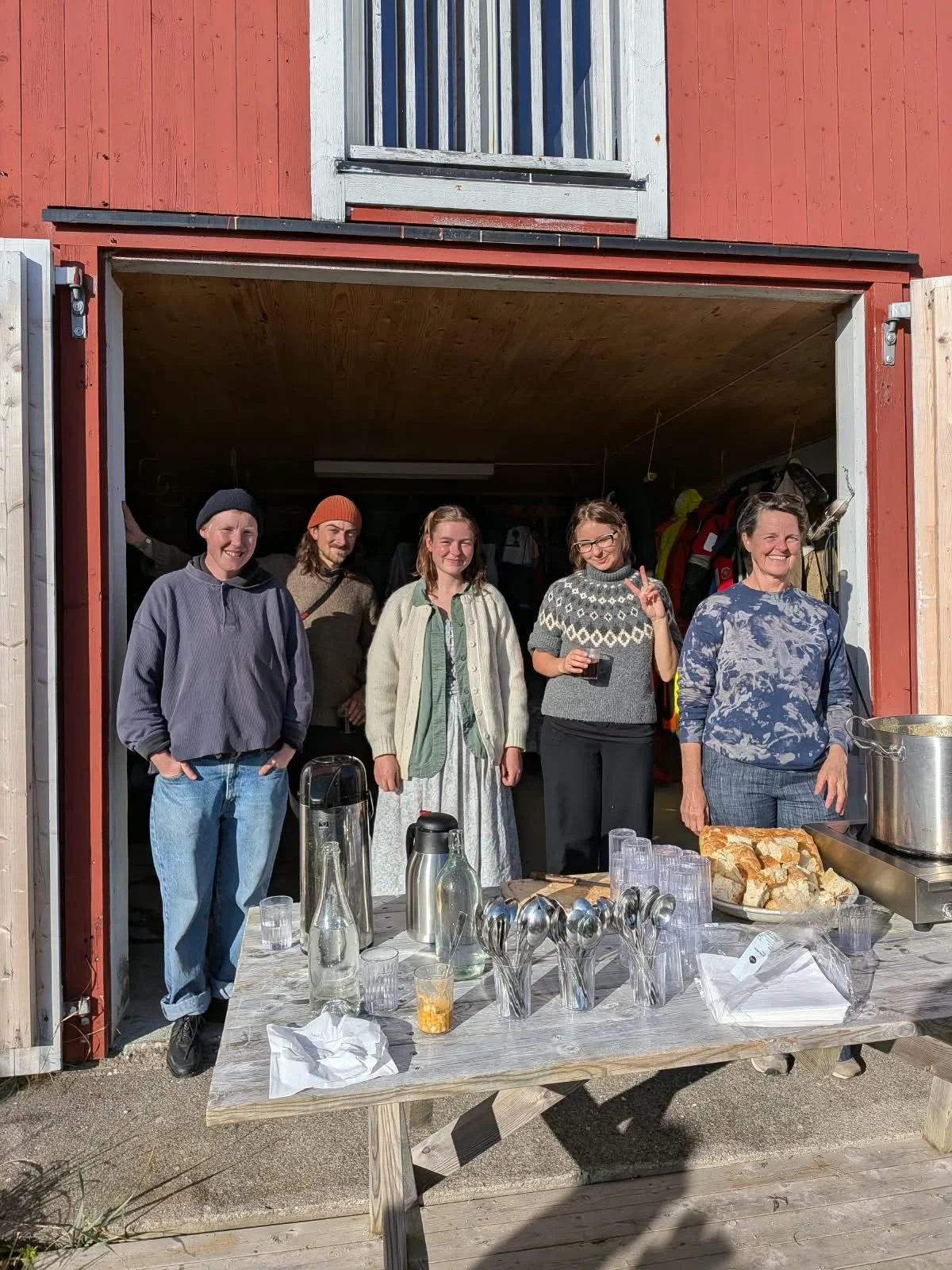
And we did get there! We created four sculptures, which you can see under Exhibition, titled Oppholdsvær.
We leave with memories of an experience that will stay with us for many years to come. We arrived as young artists, carrying our share of doubts about whether there would ever be a place for our work in the world beyond art school. We leave with an enormous sense of gratitude, and a renewed belief in the importance and meaning of what we do.
Thank you for giving us not only the opportunity to make work, but also a sense of purpose that we will carry with us.